Fortess Road tight access waste removal local solutions
Posted on 02/09/2026
Fortess Road Tight Access Waste Removal Local Solutions: A Practical Local Guide
If you are dealing with bulky rubbish, renovation debris, or a stubborn pile of mixed waste on Fortess Road, you already know the awkward bit is rarely the waste itself. It is the access. Narrow frontages, tight stairwells, awkward parking, shared entrances, basement flats, and busy street conditions can turn a simple clearance into a slow little headache. That is exactly why Fortess Road tight access waste removal local solutions matter: they are built around the realities of the street, not a generic one-size-fits-all plan.
This guide explains how tight access waste removal works locally, what to expect, what makes it efficient, and how to avoid the common mistakes that cost time and money. You will also find practical steps, a comparison table, and a checklist you can use before booking. No fluff, just the stuff that helps on the day. Let's face it, when access is tricky, good planning does most of the heavy lifting.
Why Fortess Road tight access waste removal local solutions Matters
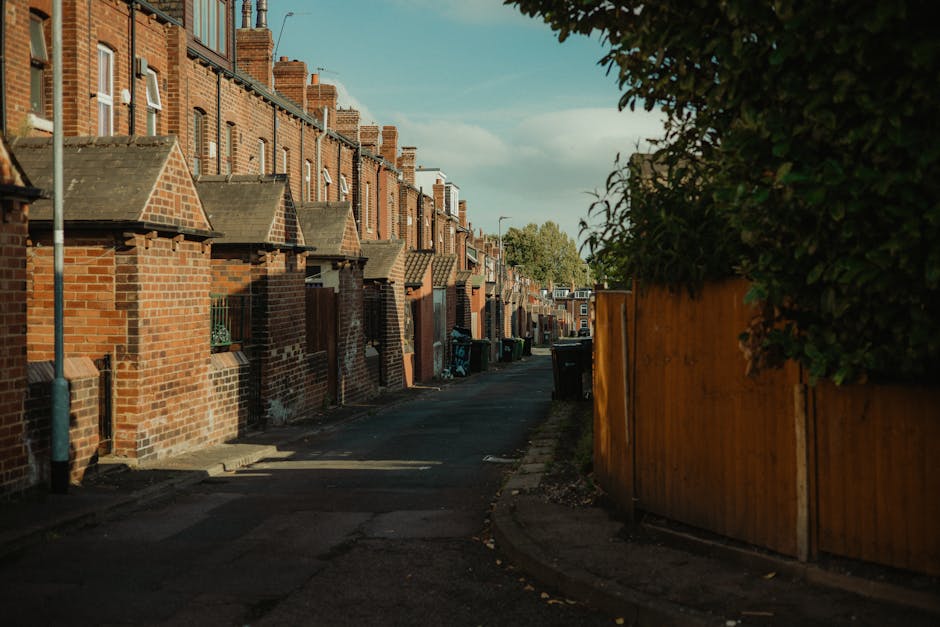
Fortess Road and the surrounding streets can create practical barriers that are easy to underestimate. Even a small load of waste can become complicated if the van cannot park close enough, if there is no lift, or if bags have to be carried through a narrow hallway and down a flight of stairs. In those situations, the right local approach saves effort straight away.
Tight access waste removal is not just about squeezing a wheelbarrow past a doorway. It is about planning the route, the loading point, the team size, the vehicle type, and the timing so the job stays smooth. A good local crew will think through the site before they start. They will notice whether a second-person carry is safer, whether the waste needs to be broken down first, or whether a shorter stop close by is the smarter option.
That matters for homes, flats, small businesses, landlords, and contractors. A missed turn, a blocked entrance, or a badly timed arrival can put pressure on neighbours and waste everybody's time. On a road like Fortess Road, that can be enough to derail a tidy clearance plan.
There is also a comfort factor. When waste is removed neatly and quickly, the space feels usable again. You hear the hallway again. You can open a window without staring at old furniture or broken bits of plaster. It sounds minor, but if you live or work there, it is a relief.
For broader service context, it helps to understand the full range of local options, including the service overview and the main waste removal support available in Tufnell Park. If your situation is more about clearing a property than removing one-off waste, you may also find house clearance services useful.
How Fortess Road tight access waste removal local solutions Works
The process is usually simpler than people expect, but it depends on clear communication. In tight-access jobs, the first conversation matters most. A local provider will usually ask what kind of waste you have, where it is stored, how it can be reached, and whether there are any restrictions on parking, loading, or entry.
From there, the job is broken down into a practical route. That might involve:
- checking the access path from the waste location to the vehicle
- deciding whether items need dismantling before removal
- estimating how many team members are needed
- choosing a vehicle that can work on nearby streets
- planning the most efficient loading order
In many cases, the team will arrive ready to move carefully through the property rather than assume everything can be loaded in one straight run. That sounds obvious, but it is where bad jobs usually go wrong. Rushing in with the wrong assumptions can create scuffs, blocked corridors, and unnecessary lifting. Not ideal.
For example, if you have old cabinets in a basement flat, the team may need to remove doors first, carry sections one at a time, and protect the route as they go. If the waste is outdoor-only, the plan might be faster, but access to the pavement and the timing of the collection still matter.
Where relevant, local guidance is also helpful. If you want a sense of how access issues are handled around nearby transport-heavy streets, the Tufnell Park Station rubbish clearance local guide offers a good local reference point. And if parking and road positioning are your main concern, the article on Dartmouth Park Road access and parking tips is a useful nearby read.
Key Benefits and Practical Advantages
The biggest benefit is obvious: you get the waste removed without turning the property into a battlefield. But there are several other advantages that matter just as much in real life.
- Less disruption: A tailored route means less time spent moving waste around the property.
- Better safety: Tight spaces and heavy items are a common cause of knocks, trips, and strained backs if the job is not planned properly.
- Cleaner finish: Careful access handling reduces mess in hallways, entrances, and shared spaces.
- More accurate pricing: A clear picture of access often leads to a more realistic quote.
- Faster completion: Once the access route is understood, the team can work in one clean run rather than stop-starting.
There is also a goodwill benefit that people sometimes miss. In a block of flats or a shared house, a tidy, efficient clearance is just less annoying for everyone else. The neighbours may never say thank you, but they will notice the difference. Trust me, they always notice.
Another practical plus is that tight-access planning can actually make recycling easier. If waste is sorted correctly before it leaves the site, it can be handled more responsibly once collected. If that matters to you, it is worth reading about recycling and sustainability practices before booking.
Who This Is For and When It Makes Sense
These local solutions are useful for more people than you might think. They are not just for major renovations or full-scale clearances. In fact, the smaller jobs often benefit the most from good access planning.
This approach makes sense if you are:
- living in a flat with limited hallway or stair access
- managing a house with a narrow front path or front garden wall
- clearing out a basement, loft, or garden with awkward entry points
- running a small office with back-of-house storage problems
- dealing with builders' waste from a project with no easy skip space
- preparing a rental property between tenancies
It is also a strong option if you need a fast turnaround. Maybe you are moving out in a couple of days, or the estate agent has called and the property has to be ready sooner than expected. Those moments happen. Suddenly the old sofa becomes a problem, and there is no time for guesswork.
If the situation is commercial, you may prefer a focused office clearance. If it is part of a refurbishment or building job, builders' waste disposal may be the cleaner fit. And if your waste is coming from a garden that is hard to reach, garden waste removal can be the easiest route.
Not every job needs a big team or a complex setup. Sometimes, one short, well-planned visit is enough. That is the beauty of local access-aware solutions.
Step-by-Step Guidance
Here is a practical way to handle a tight-access clearance on Fortess Road without making it more stressful than it needs to be.
- Identify the waste clearly. Separate bulky furniture, bagged rubbish, cardboard, metal, garden material, and any items that may need special handling.
- Measure the access points. Check doorway widths, stair turns, basement steps, lift size, and any low ceilings or awkward corners.
- Note parking and loading conditions. Can a vehicle stop nearby? Is there a waiting restriction? Would a short load-from-street approach be realistic?
- Look for fragile areas. Shared hallways, painted bannisters, tight corners, and glass panels often need protection.
- Ask about dismantling. A wardrobe, desk, or bed frame may be much easier if it is taken apart first.
- Choose a provider that understands the local layout. Local knowledge matters more than people think, especially on busy London streets.
- Agree the collection method. Make sure everyone knows what is going, what stays, and where the team should enter.
- Prepare the route. Clear loose items, open gates, and make the path as clean and direct as possible.
- Confirm disposal expectations. If you care about reuse or recycling, ask how mixed loads are sorted.
One small but helpful point: keep a bit of mental flexibility on the day. Access jobs can change once the team sees the site in person. A pile that looked easy from the front door may turn out to be a bit trickier when you have to pivot around a tight bend. No drama, just reality.
Expert Tips for Better Results
After enough local clearances, a few things stand out. The best jobs are rarely the ones with the fanciest plan. They are the ones where the basics are handled properly.
- Put the hardest item first in your assessment. If a sofa or wardrobe is the tightest fit, measure that before anything else.
- Use photos thoughtfully. A few clear images of the waste and access route can save a long explanation.
- Leave the route free. Shoes, plants, bikes, bins, and storage boxes all slow things down.
- Group waste by type. It helps the team work faster and may improve sorting for recycling.
- Think about timing. Early daytime or off-peak periods can be easier on busier streets.
Here is one practical truth from experience: if the access is tight, overpacking the route is often worse than overpacking the van. Better to have one clean pathway than three cluttered ones. Makes sense, really.
If you are comparing service styles or trying to understand the broader offering, rubbish clearance in Tufnell Park is a useful starting point, while the your rubbish removal needs page can help you match the type of job to the right solution.
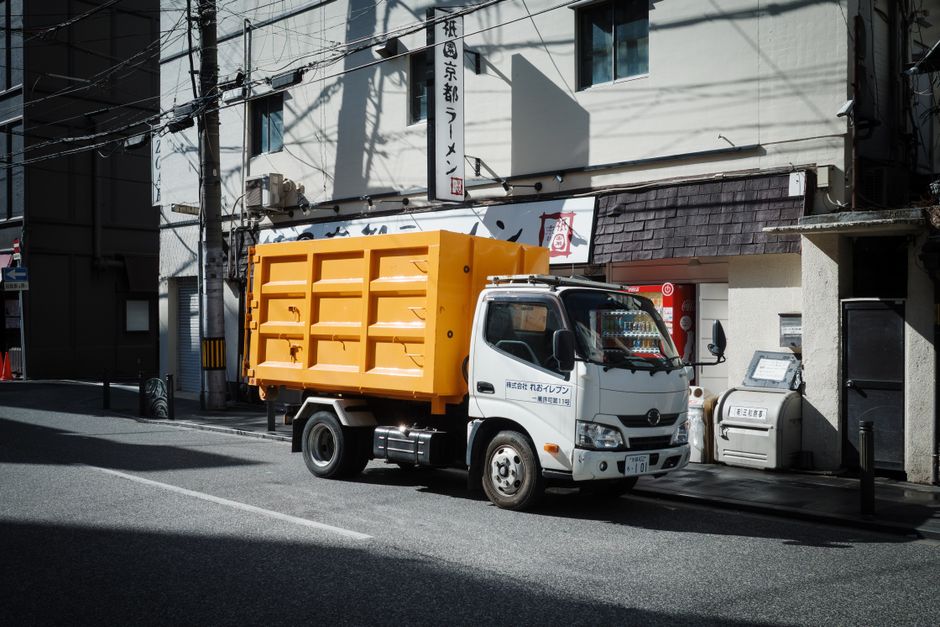
![A large commercial waste collection truck is parked on an urban street, with the front cab painted white and the rear waste container in a dark blue colour. The blue container features vertical structural reinforcements and is filled with mixed refuse, typical of private rubbish removal services. The rear loading mechanism is visible, with some parts slightly extended and secured, indicating readiness for collection or unloading. The truck's wheels are sturdy, with the tires showing signs of use. Surrounding the vehicle are multistory buildings, some with modern high-rise architecture and others with older facades, including a building with multiple green window panes on the left and various taller residential towers in the background. The street surface beneath the truck is asphalt, with a few minor stains. Adjacent to the scene are small street vendors with canopies, suggesting a lively urban environment. The overall scene depicts a typical private waste collection operation, supported by [COMPANY_NAME], focused on efficient rubbish removal in a densely built city area.](/pub/blogphoto/fortess-road-tight-access-waste-removal-local-solutions2.jpg)
Common Mistakes to Avoid
Most access problems are avoidable. The trouble is, they often look small at first. A few missing details can create a much bigger job later in the day.
- Ignoring measurements. People often assume a sofa will fit because it got in somehow. That is not a plan.
- Forgetting shared access. In flats, you may need to consider neighbours, building rules, and entry timings.
- Not declaring mixed waste. Wood, metal, soil, plasterboard, and general rubbish can require different handling.
- Booking too late. Tight-access work benefits from lead time, even if the collection itself is quick.
- Leaving loose items in the route. A bag of shoes by the door sounds harmless. It usually is not.
- Choosing the wrong service type. A house clearance is not always the best fit for a small waste load, and vice versa.
There is also a simple but overlooked mistake: not being honest about the worst part of the access. If the basement stairs are steep, say so. If the vehicle has to park two doors away, say that too. The job will still get done, but the plan should reflect the real conditions, not the optimistic version.
Tools, Resources and Recommendations
You do not need specialist gear to organise a tight-access waste removal job, but a few simple tools can make the process easier.
- Measuring tape: Useful for checking item widths, stair landings, and door frames.
- Phone camera: A clear photo of the route and the waste pile helps a lot.
- Marker labels or tape: Handy for separating items to keep and items to remove.
- Gloves and sturdy footwear: Good common sense for anyone moving items around before collection.
- Basic dismantling tools: Sometimes a screwdriver or Allen key saves a huge amount of effort.
On the decision-making side, two useful references on this site are pricing and quotes and insurance and safety. One helps you understand value and the other helps you think about peace of mind. Both matter, especially when the route is awkward and the items are bulky.
If you are trying to understand the business itself a little better, the about us page can give helpful context. For customers who care about values and responsible operations, the company's privacy policy, cookie policy, and terms and conditions are also worth reviewing before you book.
Law, Compliance, Standards, and Best Practice
Waste removal in the UK sits inside a wider framework of duty of care, responsible handling, and safe working practice. Without turning this into a legal lecture, the practical point is simple: waste should be collected, transported, and disposed of responsibly, and the customer should know what type of material is being removed.
In everyday terms, that means:
- the waste should be described accurately
- hazardous or unusual items should be flagged early
- the collection method should suit the site
- the team should work safely in tight spaces
- recycling and reuse should be considered where appropriate
Best practice also means being careful around shared entrances, communal staircases, and vulnerable surfaces. A responsible team should protect the property as much as the access allows. That is especially important on busy residential streets where one careless move can affect several households.
If builders' rubble, sharp offcuts, or dust-heavy material is involved, the standards for safe handling should be even stricter. This is where specialist knowledge makes a difference, and why builders' waste disposal in Tufnell Park is a distinct service rather than just a bigger bin bag. For a wider look at how waste is handled with responsibility in mind, the recycling and sustainability page is a sensible read.
One more thing, and it is a small thing but not trivial: if a property has accessibility needs, steps, narrow corridors, or reduced mobility considerations, then planning should be adjusted accordingly. Good access-aware clearance should not ignore people. It should work around them respectfully. That is basic professionalism.
Options, Methods, or Comparison Table
There are usually a few ways to handle waste on a tight-access street. The right method depends on the load, the property, and how quickly the space needs to be cleared.
| Method | Best for | Strengths | Limitations |
|---|---|---|---|
| Man-and-van style collection | Smaller or mixed loads with limited access | Flexible, quick to arrange, good for narrow streets | Can require several trips if the load is larger than expected |
| Full property clearance | Homes, flats, or offices with a lot to remove | Comprehensive, efficient for end-of-tenancy or renovation clear-outs | Needs clearer planning and can take longer on difficult access sites |
| Builders' waste collection | Refurbishment debris, demolition offcuts, rubble, and packaging | Better suited to heavy, awkward material | Requires accurate description of materials and access |
| Garden waste removal | Green waste, branches, soil, and outdoor clearance | Good when access is through side paths or rear entries | Wet or heavy green waste may need extra handling |
In practice, many local jobs use a blend of these methods. A flat clearance might include furniture removal plus a bit of builders' debris. A garden tidy-up might also involve old storage items from a shed. Real life is untidy like that.
If you are unsure which service fits, start by identifying the dominant waste type. That usually tells you which route is best.
Case Study or Real-World Example
Here is a realistic example from the sort of job people regularly face on streets like Fortess Road.
A top-floor flat needed clearing before a tenancy changeover. The waste included a broken bed frame, several bin bags of general rubbish, a small chest of drawers, and a stack of cardboard. The staircase was narrow, the building had a shared entrance, and parking close by was limited. Nothing dramatic, just awkward enough to matter.
Instead of trying to move everything at once, the job was split into a simple sequence. Cardboard went first because it was light and easy to carry. The bed frame was dismantled so it could be managed in pieces. The drawers were checked for loose items, then carried separately to reduce strain. The team kept the hallway clear, protected the route, and worked in a steady rhythm rather than rushing.
The important part was not speed for its own sake. It was control. The flat was cleared without damaging the stairwell or leaving a mess behind. That is what good tight-access work looks like: calm, careful, and quietly efficient.
If the property had been larger, the same logic would have applied, just with a broader plan. And if the job had involved a commercial space instead, the process would likely have been shaped around office clearance rather than domestic waste. Different problem, same need for sensible planning.
Practical Checklist
Use this before you book or before the team arrives. It keeps things simple.
- Have you identified exactly what needs removing?
- Have you measured doors, stair turns, and the tightest point on the route?
- Do you know where the vehicle can stop or load safely?
- Have you separated anything that must stay?
- Are fragile surfaces or shared areas protected?
- Have you mentioned any basement, loft, or rear-garden access issues?
- Do you know whether items need dismantling first?
- Have you asked about recycling or sorting expectations?
- Do you understand any building or tenancy restrictions that affect access?
- Have you kept the route clear for the collection team?
If you can tick most of those off, the clearance is far more likely to go smoothly. It is not glamorous, but it works.
Get a free quote today and see how much you can save.
Conclusion
Fortess Road tight access waste removal local solutions are really about matching the job to the street. Once you respect the access, the rest becomes much easier to manage. The right local approach reduces stress, protects the property, and gets the waste away without turning the day into a logistical mess.
Whether you are clearing a flat, removing builders' debris, sorting out an office, or dealing with a stubborn garden pile, the principle is the same: plan the route, choose the right method, and work with a team that understands the realities of the area. A little local knowledge goes a long way.
And if you are at the stage where the clutter is starting to feel bigger than the room, that is okay too. Start with one clear decision, one measured step, and take it from there. The space will come back to you.
 Tipper Van - Rubbish Clearance and Waste Disposal Prices in Tufnell Park, N7
 Luton Van - Rubbish Clearance and Waste Disposal Prices in Tufnell Park, N7