Junction Road N19 rubbish collection points and times
Posted on 12/10/2026
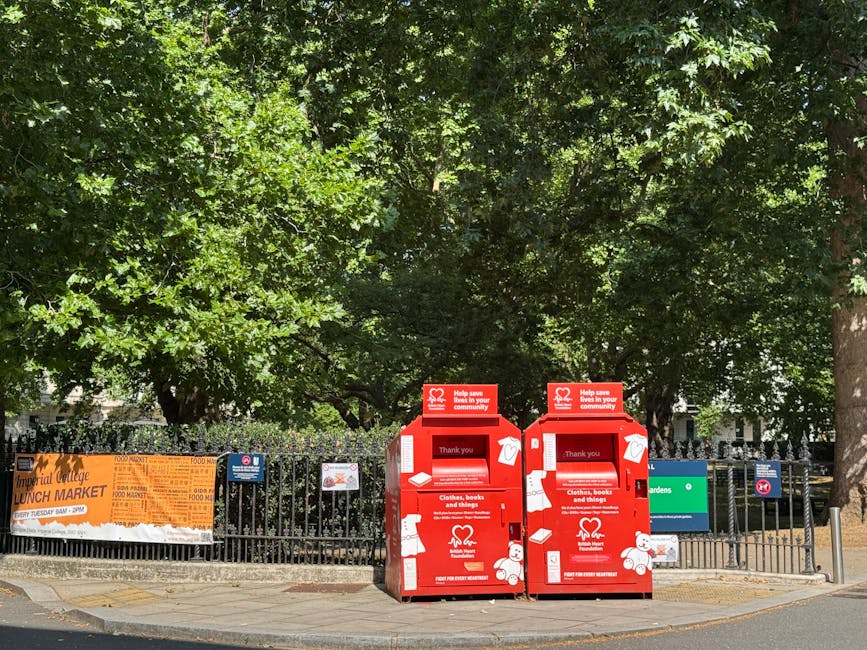
If you live, work, or manage a property near Junction Road in N19, rubbish collection points and times can make the difference between a tidy street and a frustrating mess outside your door. Miss the right window and bags sit in the wrong place, bins overflow, and, before you know it, the pavement starts looking shabby. Get it right and everything feels calmer, cleaner, and just easier.
This guide explains how Junction Road N19 rubbish collection points and times usually work in practice, why they matter, what to watch out for, and how to plan waste disposal without making life harder than it needs to be. You will also find a useful checklist, a real-world example, and a few straight-talking tips that help whether you are a homeowner, tenant, landlord, or business owner.
Practical takeaway: the best rubbish routine is simple, predictable, and respectful of neighbours. Know the collection point, know the collection window, and keep waste out of the way until the right time.
- Why this matters
- How it works
- Key benefits
- Who needs this
- Step-by-step guidance
- Expert tips
- Common mistakes
- Tools and resources
- Law, compliance, and best practice
- Options and comparison
- Case study
- Checklist
- Conclusion
- Frequently asked questions
Why Junction Road N19 rubbish collection points and times Matters
Rubbish collection sounds straightforward until you are the one trying to place bags, bins, or bulky waste in the right spot at the right time. On a busy London road like Junction Road, the timing matters because the street has its own rhythm: commuters in the morning, deliveries during the day, evening foot traffic, and the usual squeeze of tight kerb space. That mix leaves very little room for error.
For residents, collection timing affects whether waste is collected neatly or left sitting out. For businesses, it can influence frontage appearance, customer experience, and even complaints from nearby residents. For landlords and managing agents, it is part of keeping a building presentable and avoiding avoidable mess. Truth be told, rubbish left out at the wrong time becomes everybody's problem very quickly.
There is also a practical safety angle. Loose waste can blow along the pavement, attract pests, or create trip hazards. And on a road where space is already limited, a badly placed bin can block access for pedestrians, pushchair users, or vehicles trying to pass. Not ideal, and not necessary.
How Junction Road N19 rubbish collection points and times Works
In most London neighbourhoods, rubbish collection works through a simple pattern: waste is stored on the property, moved to the agreed collection point shortly before pickup, and returned or stored properly once emptied. The details, though, are where people come unstuck.
Collection points can vary depending on the property type. A house may use a front boundary, bin store, or kerbside point. A flat might have a shared bin enclosure, rear alley access, or a designated point arranged by the building manager. A shop or office often has a separate waste arrangement based on its own operational needs. The right answer is not always the most obvious one, which is annoying, but there we are.
Times also matter because waste should usually not be placed out too early. Leaving bags out overnight or long before collection often leads to litter, smell, or complaints. Many local arrangements rely on a narrow collection window rather than a whole day. If you are unsure, check the property instructions, speak with the manager, or confirm the latest local guidance rather than guessing.
For some properties, waste handling may sit alongside wider clearance planning. If you are dealing with a bigger tidy-up, it can help to look at a broader services overview so you understand which type of clearance or removal is appropriate before you start shifting everything to the kerb.
A simple working model
- Store waste securely on the property.
- Sort items if recycling or separate waste streams are involved.
- Place bins or bags at the approved collection point at the right time.
- Keep the footway clear as much as possible.
- Bring containers back in once collection has happened.
That sounds basic, but in real life it prevents most of the common headaches.
Key Benefits and Practical Advantages
Getting collection points and times right does more than keep the street looking decent. It also saves time, reduces friction with neighbours, and lowers the chance of waste being missed or rejected. Small thing, big difference.
- Cleaner frontage: waste is less likely to sit around attracting attention or creating odours.
- Fewer missed collections: items are more likely to be in the correct place when crews arrive.
- Less neighbour friction: nobody enjoys looking at someone else's bin bags for hours on end.
- Better pest control: fewer opportunities for birds, foxes, and insects to make a mess.
- Safer access: clear pathways help residents, visitors, and passers-by.
- Better property presentation: especially important for landlords, HMOs, shops, and offices.
If you are managing a property or planning a one-off clear-out, the right service can also reduce how much you need to move yourself. A local rubbish clearance option can be useful when you have more than standard household waste to deal with.
One small but useful point: good waste habits tend to make the whole week feel calmer. You notice it when the pavement stays clear in the morning and the bins are back where they should be by lunch. No drama. Just normal, orderly life.
Who This Is For and When It Makes Sense
This topic matters to more people than you might think. It is not just for residents trying to remember bin day. Junction Road N19 rubbish collection points and times matter for anyone who relies on the street to stay functional and tidy.
- Homeowners: especially if you have front gardens, narrow pavements, or limited storage.
- Tenants: because the collection system may be set by the landlord or managing agent.
- Landlords and agents: who need a repeatable routine that works for different occupiers.
- Shops and cafes: where waste timing can affect appearance and customer flow.
- Offices: particularly if staff generate regular mixed waste or recycling.
- Builders and decorators: when renovation waste needs quick, tidy handling.
It also makes sense whenever you are facing a change: moving in, moving out, after refurbishment, after a deep clean, or after a garden clear-up. In those moments, a simple collection schedule can stop waste from spreading all over the place. You know how it goes. One bag becomes three. Three become a small pile. Then suddenly someone is taking photos of it.
If your needs are seasonal or involve outdoor waste, it may be worth reviewing garden waste removal options rather than mixing everything into general rubbish.
Step-by-Step Guidance
If you want a smooth routine, keep it simple and consistent. The best waste systems are the ones people can follow without thinking too hard, especially on a busy morning.
1. Confirm the correct collection point
Start with the actual property setup. Is it front kerbside, a bin store, a rear yard, or a shared enclosure? For flats and managed buildings, the answer is often in the building rules, not in guesswork.
2. Check the collection timing
Collection times may depend on the property type, waste stream, and local arrangement. Use the stated window rather than leaving items out all day. Early placement is one of the fastest ways to create a mess, especially if weather turns wet or windy.
3. Separate waste if needed
If recycling, food waste, general waste, or bulky items are handled differently, keep them separated. Mixed waste can create problems for collection crews and may delay removal.
4. Use the right containers
Strong bags, intact bins, and properly tied sacks matter more than people realise. A torn bag on a busy pavement is nobody's idea of fun. If the bin lid does not close, that is usually a sign it is overfilled.
5. Put waste out just before collection
As a rule of thumb, the closer to the collection window, the better. This reduces smell, keeps the area tidy, and lowers the chance of interference from animals or passers-by.
6. Return containers promptly
Once emptied, bring bins back in as soon as practical. It keeps the pavement clear and helps everyone understand that the collection has been completed.
7. Escalate persistent issues
If waste is repeatedly missed, delayed, or left in the wrong place, look at the pattern rather than the one-off. Sometimes the issue is access, sometimes it is timing, and sometimes the placement point simply needs adjusting. If you have a lot of waste to remove quickly, a broader waste removal solution can be the cleaner option.
Expert Tips for Better Results
Here are the practical habits that tend to make the biggest difference. Not glamorous, maybe, but effective.
- Set a routine reminder: calendar alerts work better than memory, especially for busy households.
- Keep lids shut: it reduces smells and stops rainwater making everything heavier.
- Label shared bins if needed: useful in blocks of flats or mixed-use buildings.
- Store waste out of sight: a side return or enclosed area is often better than leaving bags in view.
- Use smaller, manageable loads: one overstuffed bag is more trouble than two sensible ones.
- Think about weather: wet cardboard, soggy sacks, and blustery evenings are a bad mix.
A slightly nerdy but true point: if you are dealing with repeated waste, one small improvement in how you stage it can save more time than a big clean-up later. A bin that is easy to move, a clearer collection point, and a ten-minute reminder really do add up.
For properties with frequent access issues, especially tight frontages or awkward loading points, it can help to review the practicalities in guides like access and parking tips for rubbish removal. The setting may differ, but the mindset is the same: plan the route, not just the rubbish.

Common Mistakes to Avoid
Most waste problems are surprisingly predictable. That is the good news. The not-so-good news is that people keep making the same mistakes, often for understandable reasons.
- Putting waste out too early: it creates clutter and invites mess.
- Using the wrong collection point: this is a common reason items go untouched.
- Overfilling bags or bins: lids won't close, bags split, and everything gets harder.
- Blocking pavements or entrances: this can inconvenience others and may cause complaints.
- Mixing unsuitable materials: for example, household waste with renovation debris.
- Forgetting to bring containers back: bins left out become an eyesore fast.
- Assuming one week equals the next: schedules, access, and building arrangements can change.
One small frustration worth mentioning: people sometimes set bags out "just for a bit" and then act surprised when they are still there later. The street does not care about our intentions. Only the actual timing.
Tools, Resources and Recommendations
You do not need fancy equipment to manage rubbish well. But a few practical tools help a lot, especially for households or buildings that generate regular waste.
- Calendar reminders: the easiest way to avoid missing collection timing.
- Durable wheelie bins or sacks: choose containers that match the waste you actually produce.
- Labels for shared areas: useful in flats, HMOs, and commercial premises.
- Basic cleaning supplies: a quick sweep after collection keeps the area presentable.
- Property management notes: handy for landlords or letting agents who need repeatability.
If you are comparing services or planning a larger clearance, it may help to review pricing and quotes so you understand what level of support makes sense for your situation. That is especially useful if the waste is bulky or time-sensitive.
You can also check recycling and sustainability guidance if you want a better sense of how to handle waste more responsibly. Not every item should be treated the same way, and a little sorting can go a long way.
Law, Compliance, Standards, or Best Practice
Waste handling in the UK is governed by general duties around responsible storage, presentation, and disposal. The exact local rules can vary, so it is wise to treat collection times and placement requirements as property-specific and area-specific rather than assuming they are universal. If you manage a building or business, that matters even more.
Best practice usually means:
- storing waste securely until collection;
- avoiding obstruction of pavements or access routes;
- keeping recyclable and general waste separate where required;
- ensuring waste does not create nuisance, smell, or pest attraction;
- following the instructions for the property or waste provider;
- using a reliable, traceable approach for larger or regular clearances.
If you are dealing with trade, renovation, or repeated collections, it is sensible to look at a provider's approach to insurance and safety. That is not overkill. It is just good judgment. Things can get awkward fast if heavy items, sharp materials, or tight access are involved.
For businesses and landlords, keeping a record of collection arrangements can save a lot of time later. It may be as simple as a written note in the building folder, or a shared checklist for staff and cleaners. Nothing fancy. Just clear enough that the next person does not have to start from scratch.
Options, Methods, or Comparison Table
There is no single perfect way to manage rubbish around Junction Road N19. The right method depends on the amount of waste, access, building type, and how quickly it needs to go. Here is a straightforward comparison.
| Method | Best for | Pros | Trade-offs |
|---|---|---|---|
| Standard bin collection | Routine household waste | Simple, familiar, usually low effort | Limited capacity, timing must be followed closely |
| Shared bin store arrangements | Flats and managed buildings | Neat when well organised, efficient for multiple users | Can become messy if residents do not follow the rules |
| Scheduled commercial waste removal | Shops, offices, hospitality | Predictable and scalable | Needs clear responsibility and access planning |
| One-off rubbish clearance | Moves, declutters, refurbishments | Fast, convenient, handles mixed loads | Usually more involved than a standard bin routine |
If you are weighing up a one-off clearance against normal collections, a house move or renovation often tips the balance towards a dedicated service. For that kind of job, house clearance can make life far simpler than trying to piece it together yourself.
Likewise, if the waste is from a workplace rather than a home, a more focused office clearance approach may be the cleaner fit. Different setting, different pressures. Pretty normal, really.

Case Study or Real-World Example
Here is a typical example from a mixed residential street near a busy London road. A small block of flats had repeated problems with rubbish bags being left out too early, especially on Thursday evenings. The result was predictable: bags were torn by birds, the pavement looked untidy by Friday morning, and residents kept blaming one another. Not exactly a happy little system.
The building manager stepped back and simplified things. They clarified the actual collection point, posted a short reminder near the entrance, and agreed a tighter placement window. Residents were asked to hold waste inside until the evening before collection and to return bins after pickup. That alone reduced the mess noticeably.
A second change helped too. For bulky items and refurbishment debris, residents stopped trying to fit everything into normal bins and used a better-suited clearance option instead. That meant fewer overflowing containers and less conflict about where things should go. Simple, but effective. The street looked calmer within a couple of weeks.
The lesson is not that every site behaves the same. It is that a clear routine often solves more than people expect. And when it does not, the issue is usually the system, not the people.
Practical Checklist
Use this quick checklist before putting anything out for collection.
- Have I confirmed the correct collection point?
- Am I placing waste out within the right time window?
- Is the waste bagged, tied, or contained properly?
- Have I separated recycling or special waste where needed?
- Will the waste block a pathway, doorway, or vehicle access point?
- Is there a better clearance option for bulky or mixed items?
- Have I set a reminder to bring bins back in?
- Does the area need a quick sweep after collection?
- Would a landlord, cleaner, or neighbour reasonably understand where this should go?
- Does the arrangement still make sense this week, or has something changed?
If you can tick most of those off, you are probably in good shape. If not, pause for thirty seconds and sort the basics before you move the waste. It saves a headache later.
Conclusion
Junction Road N19 rubbish collection points and times may sound like a small logistical detail, but in practice they shape how tidy, safe, and manageable a property feels day to day. Get the point wrong and waste becomes a nuisance. Get the timing wrong and the nuisance sits there longer than it should. Get both right and, well, life is easier.
The most reliable approach is still the simplest one: know your collection point, respect the collection window, use the right containers, and choose a better clearance method when standard bins are not enough. That is the real-world answer, not a neat slogan. And honestly, it works.
Get a free quote today and see how much you can save.
When the waste is under control, the whole street feels a bit lighter. That is worth doing properly.
 Tipper Van - Rubbish Clearance and Waste Disposal Prices in Tufnell Park, N7
 Luton Van - Rubbish Clearance and Waste Disposal Prices in Tufnell Park, N7